An engine is a collection of precision components that operate under high temperatures, pressure, and constant mechanical stress. The engineering behind modern engines is considerably more sophisticated than it was twenty years ago — tolerances are tighter, materials are more complex, and electronic management systems add another layer entirely. This sophistication makes modern engines efficient and capable, but it also means that certain maintenance tasks become more — not less — important.
Preventative engine maintenance is not about spending money on services your vehicle doesn't need. It's about replacing fluids and components before they degrade to the point where they affect engine operation or create secondary damage. This article outlines the main maintenance tasks, the reasoning behind them, and some practical guidance on intervals and what to watch for.
Engine Oil: The Most Frequently Required Task
Engine oil performs several functions simultaneously: it lubricates moving parts to reduce friction and wear, helps transfer heat away from components that can't be cooled directly by the cooling system, keeps contaminants in suspension until they're captured by the filter, and provides a protective film that resists metal-to-metal contact under load.
Over time and mileage, engine oil degrades. The base oil breaks down through oxidation and thermal stress. Additives that protect against wear, corrosion, and deposit formation become depleted. Contaminants accumulate. Eventually, the oil's ability to protect the engine is meaningfully reduced — and this happens whether or not it looks dirty.
This is why oil change intervals exist. The interval specified by the manufacturer is based on testing of how the oil degrades under typical conditions for that engine. It's expressed as a mileage figure, a time period, or both — and both elements apply. An engine used only occasionally may not cover many miles, but a year's worth of thermal cycles and combustion blowby still affects the oil.
The oil specification — viscosity grade and performance standard — matters too. Modern engines with tighter tolerances, variable valve timing systems, and stop-start technology are designed around specific oil types. Using the correct specification isn't a commercial consideration; it's an engineering one.
Oil Filter Replacement
The oil filter captures particulate contamination as oil circulates through the engine. Over time, the filter media becomes clogged, and a bypass valve allows unfiltered oil to continue circulating rather than starving the engine of oil pressure entirely. Once a filter is operating in bypass mode, contaminants that would otherwise be captured are circulating freely through the engine.
For this reason, the oil filter should always be replaced at the same time as the oil — treating them as a single service item is the correct approach, regardless of whether the filter looks visually blocked from the outside.
Coolant Maintenance
Engine coolant — also called antifreeze — circulates between the engine block and the radiator, absorbing heat from combustion and releasing it into the airstream. It also prevents freezing in cold weather and provides corrosion protection for the internal surfaces of the cooling circuit, including the radiator, water pump, and engine block passages.
Coolant degrades with age. The corrosion inhibitors within it are progressively consumed, and as they deplete, the coolant becomes less effective at protecting metal surfaces. Corrosion within a cooling system can cause blockages, water pump seal damage, and in more serious cases, head gasket issues as cooling efficiency drops.
Most manufacturers specify a coolant change interval between two and five years. The appropriate interval depends on the coolant type used — longer-life coolants based on organic acid technology (OAT) are now common in newer vehicles and are specified at different intervals to older silicate-based types. Using the correct specification matters here, as mixing incompatible types can accelerate corrosion.
Air Filtration
The engine air filter prevents dust, debris, and contaminants from entering the intake and reaching the cylinders. A clean, unrestricted airflow is necessary for efficient combustion — a blocked or heavily contaminated filter restricts airflow, which affects the fuel-to-air mixture the engine management system is trying to maintain.
On modern vehicles with mass airflow sensors, a contaminated filter can contribute to incorrect sensor readings and, in some cases, trigger fault codes. Air filter replacement intervals are typically mileage-based, but vehicles used in particularly dusty environments — agricultural areas, unpaved roads — may require more frequent replacement.
Fuel System Maintenance
Fuel filters prevent contamination from reaching injectors and the high-pressure components of the fuel system. Blocked or partially restricted fuel filters can cause poor starting, hesitation under load, and in more advanced cases, pressure-related fault codes. Some modern vehicles use lifetime fuel filters that are integrated into the fuel pump assembly; others use serviceable external filters at defined intervals.
Direct injection engines — which inject fuel directly into the combustion chamber rather than into the intake port — are prone to carbon buildup on intake valves over time. Without the cleaning effect of fuel washing over the valve, deposits accumulate from oil vapours recirculated through the crankcase ventilation system. This doesn't affect all vehicles equally, but it's worth being aware of if you own a direct injection engine that's covered significant mileage.
Timing Belts and Timing Chains
The timing belt or chain synchronises the rotation of the crankshaft and camshafts, ensuring that intake and exhaust valves open and close at precisely the right moment in relation to piston movement. If this synchronisation is lost — through belt failure or chain stretch — the consequences are typically severe internal engine damage.
Timing belts are rubber components with a defined replacement interval, usually specified in miles and years, whichever comes first. This interval varies significantly between engines — anywhere from 40,000 to over 100,000 miles — and the manufacturer's recommended interval should be followed. Replacement is not inexpensive, but the cost of not replacing a belt on schedule is considerably greater.
Timing chains are steel and generally more durable, but they can stretch over time — particularly in engines that have experienced oil starvation or that use lower-specification oil. Rattling on cold start-up is sometimes associated with chain wear and is worth investigating rather than ignoring.
"The most common scenario we see with major engine damage is a timing belt that was overdue for replacement. The service cost is predictable and manageable. The alternative rarely is."
Diagnostic Checks and Warning Lights
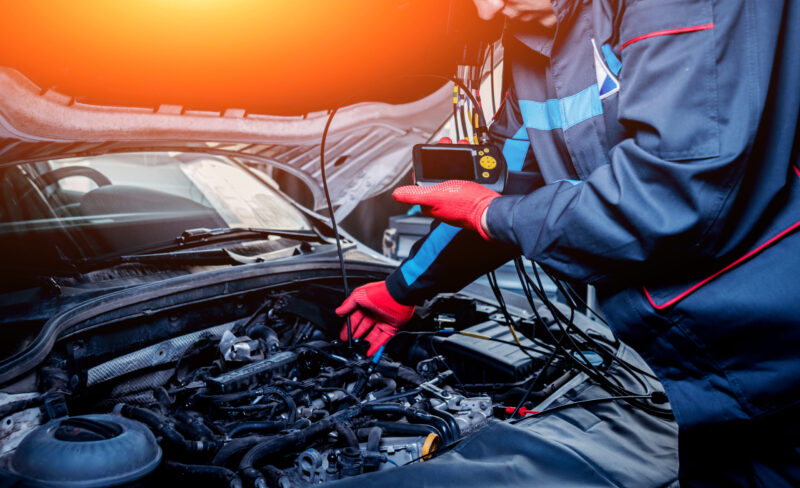
Modern vehicles continuously monitor engine parameters and store fault codes when sensor readings fall outside expected ranges. When the engine management light illuminates, it doesn't necessarily mean the engine is damaged — it means the system has recorded a condition worth investigating.
Common triggers include sensor faults (oxygen sensors, mass airflow sensors, temperature sensors), evaporative emissions system faults, and ignition-related issues such as misfires. Some faults are intermittent and may not be actively present when the vehicle is inspected, but the stored code is still useful for diagnosis.
Ignoring a persistent engine warning light on the basis that the vehicle seems to be running normally is a reasonable short-term decision in some situations, but not a long-term one. Some faults that affect emissions or fuel efficiency will worsen over time, and a small number can develop into more significant mechanical issues if left unaddressed.
Practical Maintenance Habits
Beyond scheduled services, a few simple habits help maintain engine condition between workshop visits:
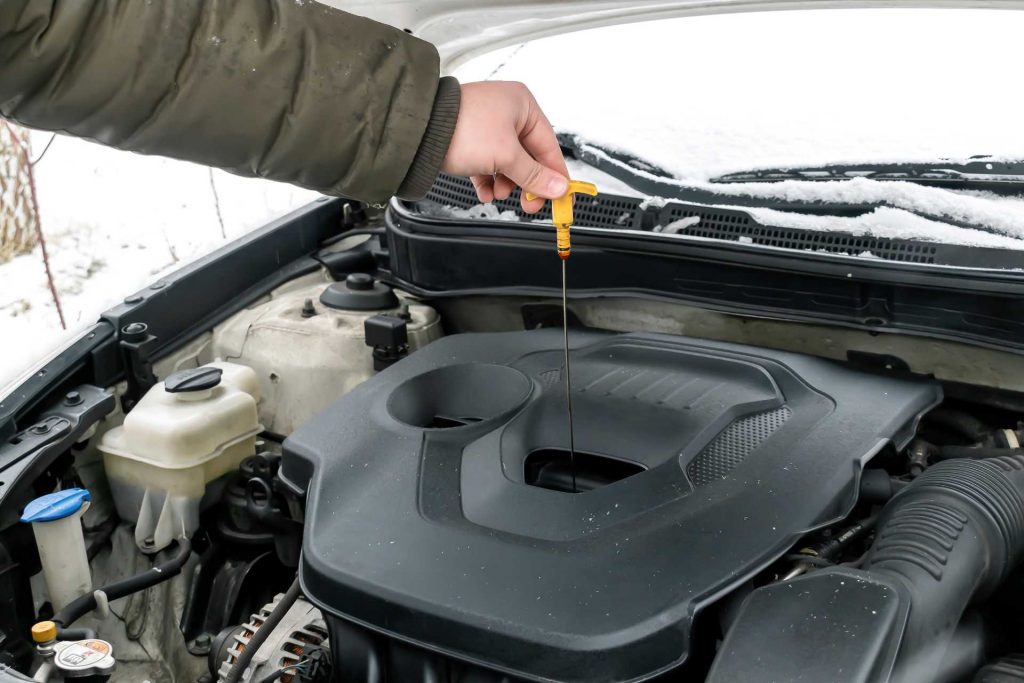
- Check engine oil level regularly. Many engines use a small amount of oil between services, particularly at higher mileages. A dipstick check every few weeks takes less than two minutes and avoids running the engine low on oil.
- Allow the engine to reach operating temperature. Short, cold trips that are terminated before the engine reaches normal operating temperature are harder on the oil and can allow water vapour to accumulate in the crankcase. If your journeys are predominantly very short, this is worth factoring into your service interval decisions.
- Don't ignore fluid level warnings. Low coolant or oil pressure warnings should prompt you to stop the vehicle and investigate rather than continue to a destination.
- Follow manufacturer service schedules. Service intervals exist for engineering reasons, not commercial ones. They represent the manufacturer's assessment of when components and fluids need attention based on testing of that specific engine design.
Keeping a Service Record
A complete service history makes it easier for any technician working on your vehicle to understand what has been done and when. It also helps when timing belt intervals need to be tracked, or when diagnosing issues that may relate to a component that hasn't been serviced recently. Whether digital or in a physical service book, keeping accurate records of work done is a straightforward practice with genuine practical value.
Our team at Zenvyxa in Dunoon handles oil and filter services, diagnostics, cooling system checks, and all routine engine maintenance tasks.
Request a Booking